Optimal Timing for Foundation Repairs
Understanding the optimal timing for foundation repairs is essential to ensure the stability and longevity of a property. The right time depends on weather conditions, soil stability, and the severity of foundation issues. Proper planning can minimize disruptions and enhance repair effectiveness.
These seasons typically offer moderate weather conditions, making them ideal for foundation repairs. Mild temperatures and stable soil moisture levels facilitate effective repair work.
Repairs should be scheduled outside of extreme weather periods such as freezing winters or hot, dry summers. Extreme temperatures can hinder repair processes and impact soil conditions.
Optimal soil moisture levels are crucial for foundation repair projects. Moist soil allows for better soil stabilization and less movement during repairs.
Timing repairs after significant weather events like heavy rains or droughts can prevent further damage and address existing issues promptly.

Spring offers moderate temperatures and soil conditions suitable for foundation stabilization work.
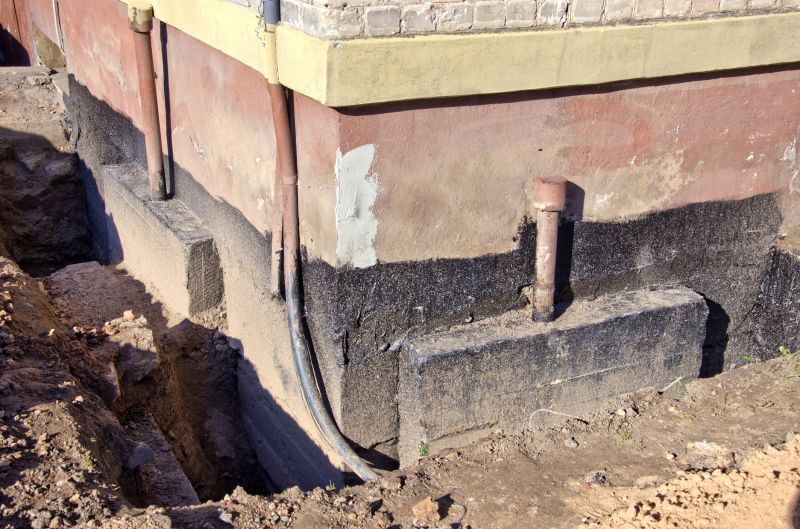
Summer repairs may face challenges due to high temperatures and dry soil, but early summer can still be effective.
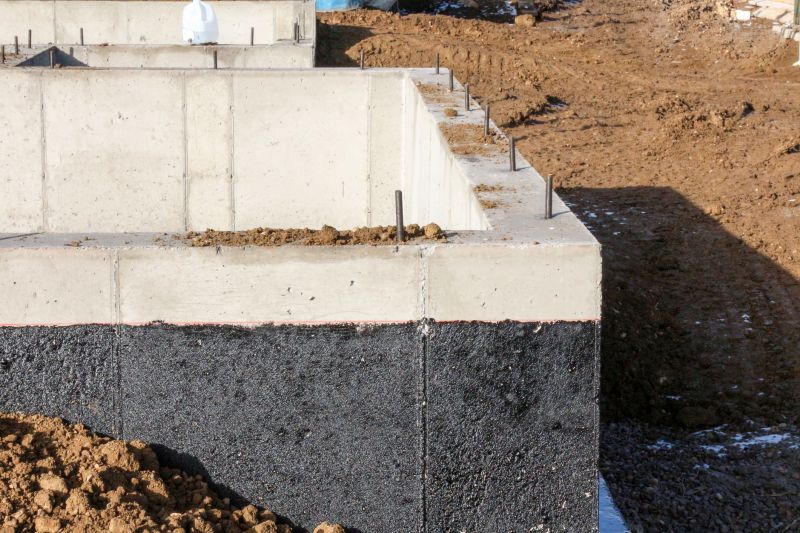
Fall provides cooler weather and moist soil conditions, ideal for foundation repairs before winter.
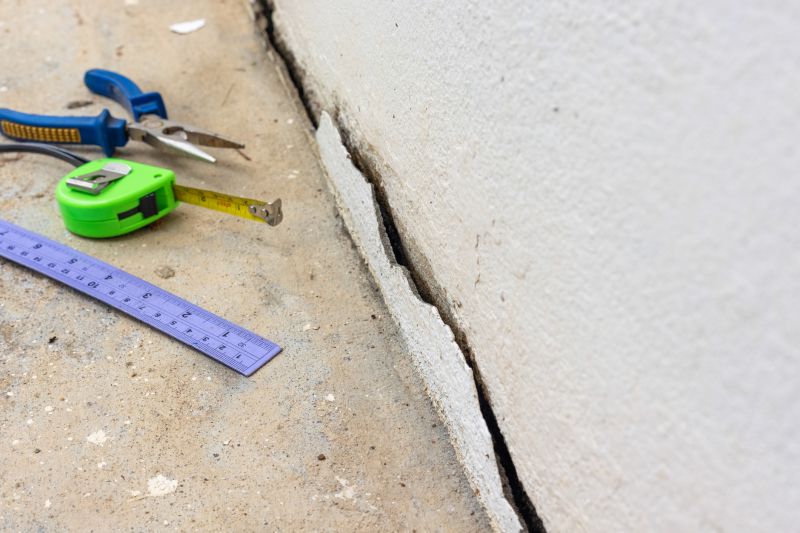
Ways to make Foundation Repairs work in tight or awkward layouts.
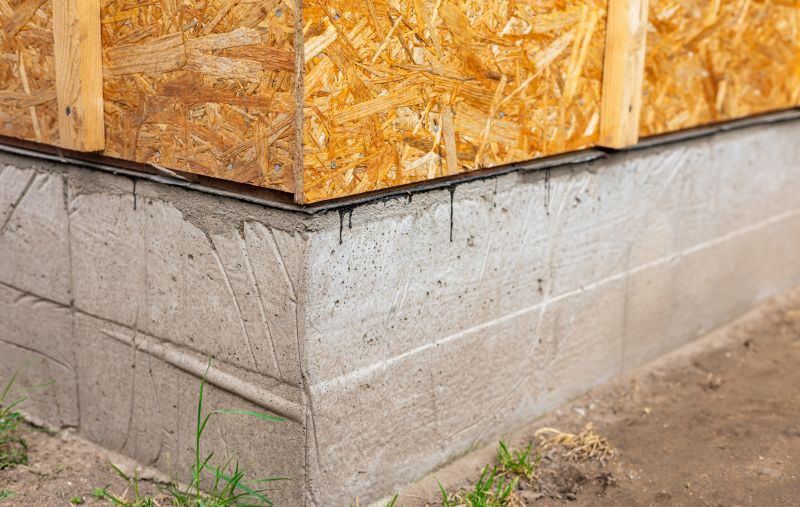
Popular materials for Foundation Repairs and why they hold up over time.

Simple add-ons that improve Foundation Repairs without blowing the budget.
| Season | Ideal Conditions |
|---|---|
| Spring | Moderate temperatures, moist soil, less extreme weather |
| Summer | Early summer preferred, avoid peak heat, dry soil |
| Fall | Cooler weather, moist soil, before winter |
| Winter | Generally not recommended due to freezing temperatures and frozen soil |
Foundation repairs are critical for maintaining structural integrity and preventing further damage. Soil movement, moisture levels, and weather conditions significantly influence the success of repair projects. Regular inspections can identify issues early, allowing repairs to be scheduled at the most appropriate time. Proper timing ensures that repairs are durable, cost-effective, and minimally disruptive.
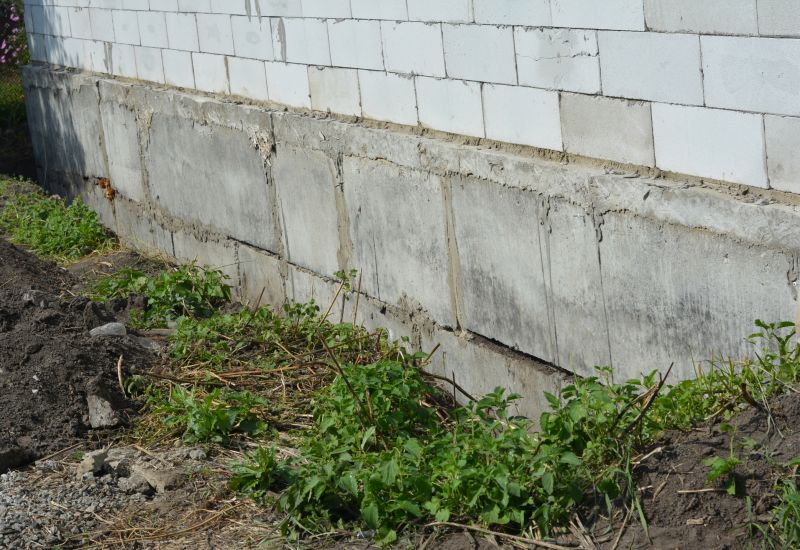
Visual overview of foundation stabilization techniques.
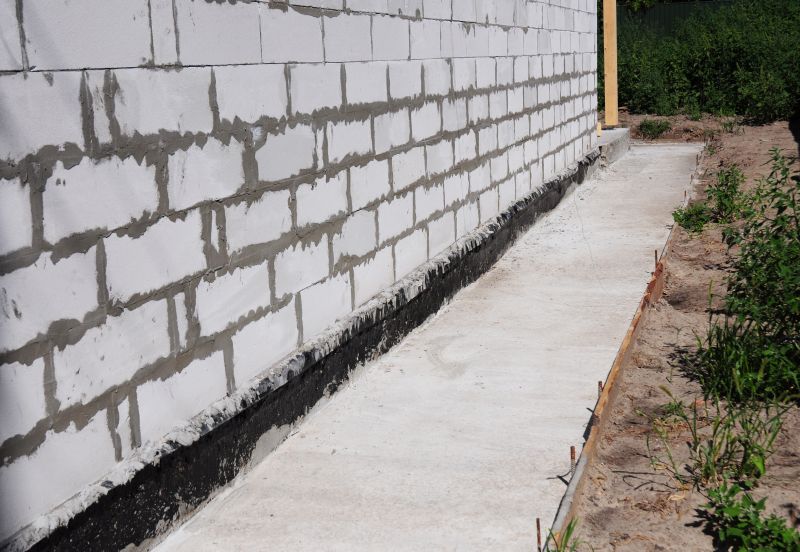
Soil stabilization methods used during foundation repairs.

Piering techniques to lift and stabilize foundations.
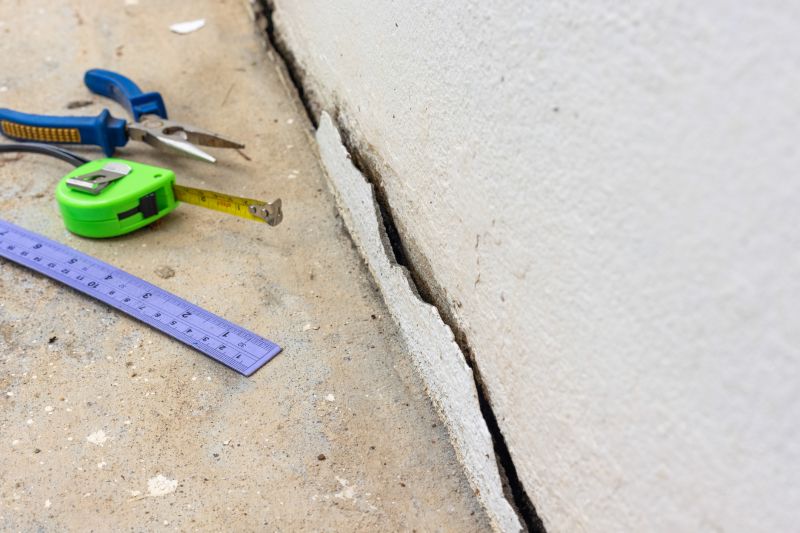
Common crack repair methods for foundations.
Timely foundation repairs can prevent costly structural issues and extend the life of a property. Consulting with foundation specialists can help determine the best time to undertake repairs based on specific soil and weather conditions. Regular assessments and early intervention are key to maintaining a stable foundation.
Contact for Foundation Repairs
Interested in foundation repairs? Fill out the contact form to receive more information and schedule an assessment tailored to the property’s needs.